

Relationship Support in Recovery
Why Relationships Change — and How to Navigate Them with Care
Recovery doesn’t just change how you relate to substances or behaviors.
It often changes how you relate to people.
That can feel confusing, painful, and destabilizing — especially when you weren’t expecting it.
This page is here to help you understand why relationships often shift in recovery, what’s normal, and how to move through those changes without losing yourself.
You don’t need to read this quickly.
You don’t need to fix anything today.
This is an orientation — not a test.


Why Relationships Often Feel Different in Recovery
As recovery deepens, awareness grows. You may begin to notice things you once ignored or tolerated. You may feel less willing to override your needs to keep the peace. You may find that certain dynamics no longer feel safe, sustainable, or honest.
Common experiences include:
feeling misunderstood as you change
outgrowing roles that once felt familiar
pressure to “stay the same” for others’ comfort
guilt when setting boundaries
fear of conflict or abandonment
uncertainty about who and how to trust
None of these mean you’re doing recovery wrong.
They often mean you’re relearning how to relate.
Stay Connected
·
Boundary Setting
·
Grieving Changes
·
Building Relationships
·
Stay Connected · Boundary Setting · Grieving Changes · Building Relationships ·
Aspects of Relational Connection and Disconnection
-

Stay connected without self-erasure
You are allowed to be loving and boundaried.
You are allowed to care and protect yourself. -

Set boundaries without guilt
Setting boundaries may feel uncomfortable at first — especially if you’ve been rewarded in the past for over-giving. That discomfort does not mean the boundary is wrong. It often means it is necessary.
-

Grieving what has changed
Grieve what has changed — and what may not return
Grieving relational change does not mean you want to go back.
It means you are acknowledging the loss of familiarity, identity, and expectation. -

Build relationships that support sobriety
Build relationships that support your sobriety, not threaten it
Some relationships will deepen.
Some will need space.
Some may end.All of that can be part of healing.
Connection Without Self-Erasure

One of the most important — and challenging — recovery skills is learning the difference between:
connection and compliance
compassion and self-abandonment
support and over-responsibility
Healthy connection does not require you to:
silence your needs
override your boundaries
manage others’ emotions
prove your worth through sacrifice
You are allowed to be loving and boundaried.
You are allowed to care and protect yourself.
Grieving What Has Changed
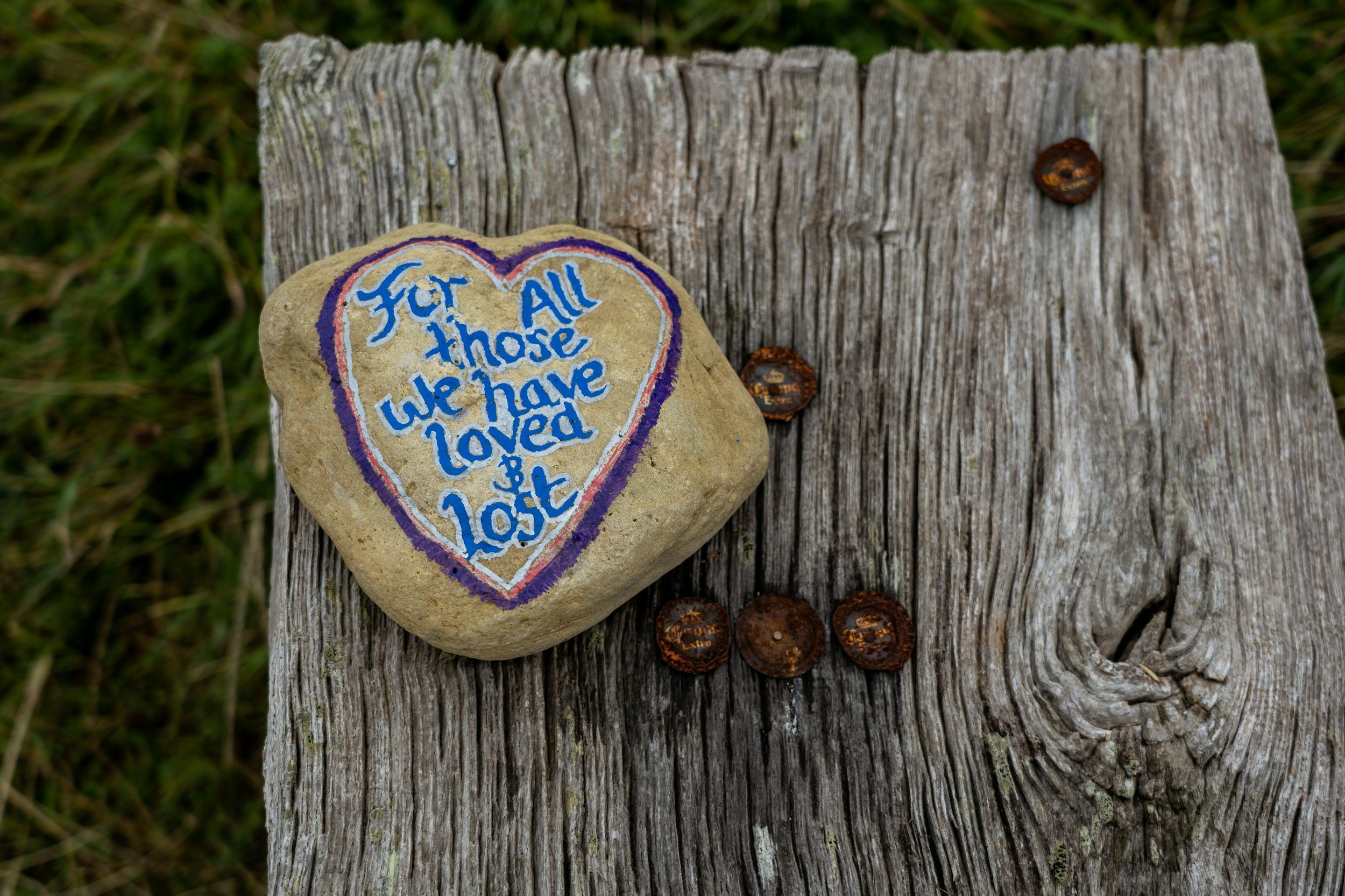
Recovery often brings grief alongside growth.
You may find yourself grieving:
how things used to feel
relationships that required less honesty
roles you played to stay connected
hopes that awareness would automatically repair old wounds
This grief can be confusing, because nothing is “wrong” in the obvious sense. And yet — something has shifted.
Grieving relational change does not mean you want to go back.
It means you are acknowledging loss, familiarity, and expectation.
That grief deserves space.
Why Boundaries Can Feel So Uncomfortable
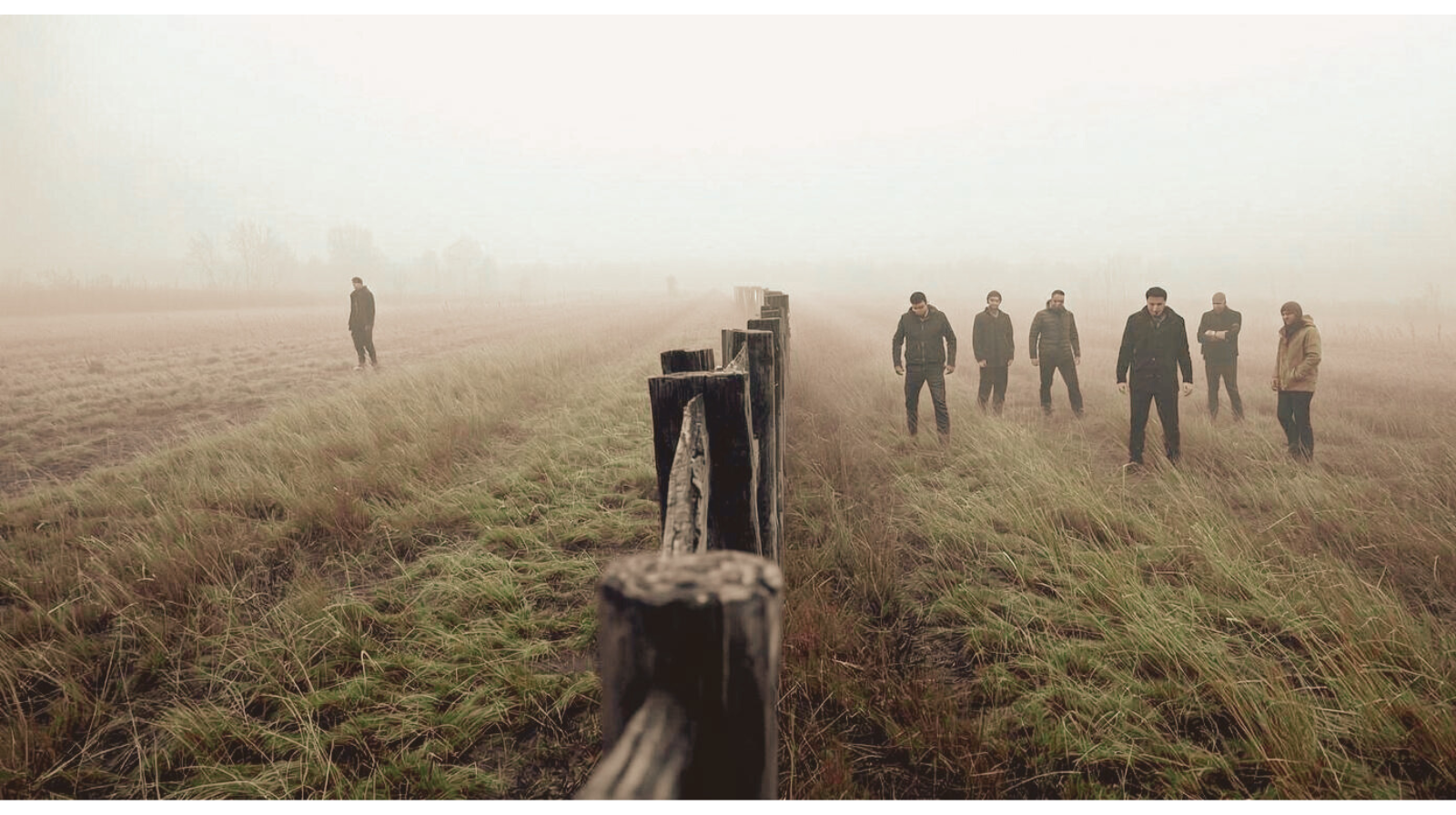
For many people, boundaries don’t feel hard because they’re wrong — they feel hard because of what they threaten.
If you’ve learned that:
conflict leads to loss
honesty leads to punishment
distance means rejection
your nervous system may treat boundaries as danger, even when they’re necessary.
That discomfort doesn’t mean you’re being unkind.
It often means you’re doing something new.
Boundaries in recovery are not punishments or ultimatums.
They are information — about capacity, safety, and care.
Building Relationships That Support Recovery

Recovery often changes how relationships feel — sometimes in ways that are confusing or painful. As awareness grows, you may notice that certain dynamics no longer feel safe, sustainable, or honest.
Relationships that support sobriety tend to reduce pressure rather than add to it. They allow space, respect boundaries, and don’t require you to override your needs to stay connected.
Some relationships will deepen.
Some will need distance.
Some may no longer fit.
This doesn’t mean you’re failing at connection.
It often means you’re learning what support actually feels like.
You are allowed to choose relationships that make it easier — not harder — to stay well.
When Relationships Feel Unsteady

There may be seasons when connection feels fragile or distant.
During those times:
you don’t need to rush resolution
you don’t need to explain yourself perfectly
you don’t need to make permanent decisions while dysregulated
Sometimes distance is not rejection.
Sometimes it’s regulation.
Pausing is allowed.
If You’d Like Deeper, Guided Support
This page is meant to orient and reassure — not to ask you to do this work alone.
If relationship changes are feeling heavy, confusing, or destabilizing, there is a guided course and community space designed to walk through this material slowly, with structure, reflection, and support.
Explore the Relationship Support Course & Community
You are allowed to move at your own pace.
You are allowed to seek support.
You are allowed to build relationships that support your healing.